
Proving Driver Negligence Following A Motorcycle Accident In Denver
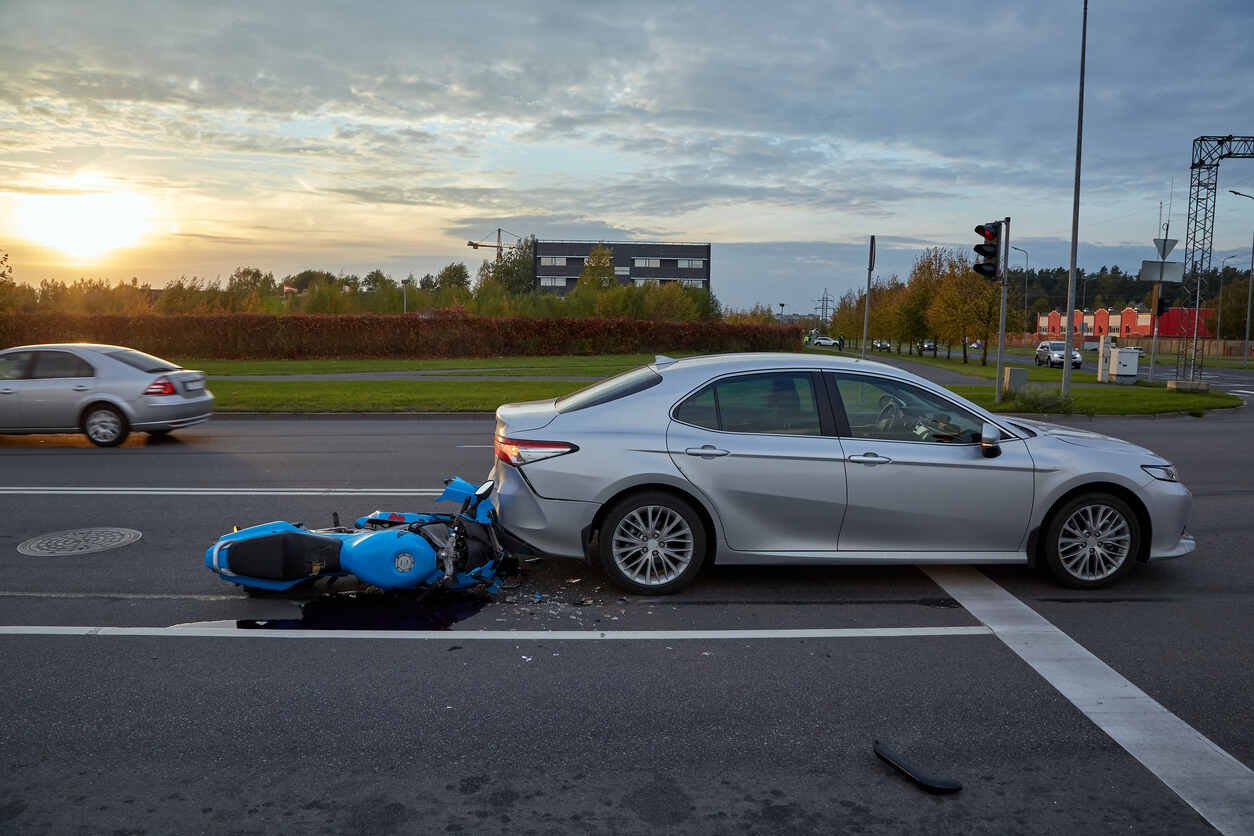
Motorcycle riders may suffer severe injuries, costly medical care, missed wages, and months of uncertainty as a result of accidents. When another driver’s careless behavior causes a collision, an injured motorcyclist may have grounds to pursue compensation. However, receiving compensation generally requires more than showing that an accident happened. Evidence must connect the other driver’s actions to the crash and the resulting losses. For an injured rider, working with a motorcycle accident lawyer in Denver can help with gathering evidence, evaluating the circumstances surrounding the collision, and presenting a claim that clearly explains why another party should be held responsible. Understanding how negligence is established can also help riders recognize why seemingly small details from the accident scene may become important later. Understanding Negligence After A Motorcycle Crash In general, negligence is defined as failing to use reasonable care in the given situation. Drivers have responsibilities when sharing Denver streets with motorcycles, passenger vehicles, cyclists, pedestrians, and other road users. A negligence claim typically focuses on several connected questions. Did the driver have a responsibility to operate the vehicle safely? Did the driver’s behavior fall below the expected standard of care? Did that behavior contribute to the motorcycle crash? Finally, did the rider suffer measurable losses because of the collision? For example, a motorist may fail to check a blind spot before changing lanes and strike a nearby motorcycle. Evidence showing the unsafe lane change and its connection to the collision can become central to establishing negligence. Identifying The Driver’s Unsafe Behavior Determining exactly what the other driver did wrong is an important part of building a claim. Motorcycle collisions can occur because of many different driving behaviors. A driver may follow a motorcycle too closely, ignore a traffic signal, make an unsafe turn, become distracted by a phone, fail to yield, or change lanes without properly checking surrounding traffic. Speed can also become an important consideration, particularly when traffic conditions, visibility, or weather require motorists to slow down. The circumstances are rarely identical from one accident to another. Establishing negligence therefore requires examining what happened immediately before the collision rather than relying solely on the severity of the resulting injuries. Gathering Evidence From The Accident Scene Evidence collected shortly after a motorcycle accident can provide valuable information about how the collision occurred. Photographs can document vehicle positions, motorcycle damage, debris, skid marks, road conditions, traffic signs, and visible injuries. Witnesses can also provide an independent perspective. Someone who saw a vehicle suddenly enter the rider’s lane, run a red light, or make an unexpected turn may be able to provide information that supports the rider’s account. Police reports can contain additional details about the crash, including statements from those involved and observations made at the scene. Depending on the circumstances, nearby businesses, homes, traffic systems, or vehicles may also have video footage that captured the collision or events immediately preceding it. Using Medical Records To Connect Injuries To The Collision Proving that another driver acted negligently is only one part of an injury claim. The rider must also demonstrate the losses associated with the accident. Medical documentation can establish the nature and extent of injuries sustained in the crash. Emergency room records, diagnostic imaging, physician notes, surgical records, rehabilitation plans, and follow-up treatment can help create a documented timeline. Motorcycle crashes may result in fractures, road rash, spinal injuries, head trauma, soft tissue damage, and other conditions requiring ongoing treatment. Keeping medical appointments and maintaining accurate records can help demonstrate both the immediate and continuing effects of an injury. Examining Digital And Vehicle Evidence Modern accident investigations may extend beyond photographs and witness statements. Digital information can sometimes provide additional insight into a driver’s behavior. Phone records may become relevant when distracted driving is suspected. Vehicle data may provide information related to speed, braking, or other activity before impact. Dashcam recordings can also offer useful evidence when available. Obtaining certain records may require formal legal procedures, making timely investigation particularly important. Some electronic information may be overwritten or become unavailable if it is not preserved. Responding When Fault Is Disputed Liability is not always immediately accepted after a motorcycle accident. A driver or insurance company may argue that the rider was speeding, traveling in a blind spot, or otherwise contributed to the collision. This makes objective evidence especially valuable. Photographs, witness accounts, video recordings, physical damage, medical records, and accident reconstruction findings can help establish a clearer picture of what actually happened. Colorado’s comparative negligence rules can also affect recovery when more than one person shares responsibility. The percentage of fault assigned to each party can therefore have a significant financial impact on an injury claim. Documenting The Full Financial Impact A serious motorcycle collision can create expenses that continue long after the damaged motorcycle has been repaired or replaced. Medical bills are only one potential category of loss. An injured rider may miss work, experience reduced earning capacity, require rehabilitation, or need assistance with everyday activities. Severe injuries can also affect mobility, independence, and quality of life. Keeping organized records of medical expenses, employment losses, repair costs, treatment-related travel, and other accident-related expenses can help establish the broader financial consequences of the collision. Building A Claim Around Clear Evidence Proving driver negligence after a Denver motorcycle accident depends on creating a logical connection between unsafe conduct, the collision, the rider’s injuries, and resulting losses. Strong claims are typically built through careful documentation rather than assumptions about who must have been responsible. Preserving evidence early, obtaining appropriate medical care, documenting financial losses, and carefully reviewing the circumstances of the crash can help injured riders protect their interests. When responsibility is disputed, or injuries are substantial, a thorough investigation can be particularly important in establishing what happened and pursuing appropriate compensation under Colorado law. Calebwww.kanyasumangalayojana.com