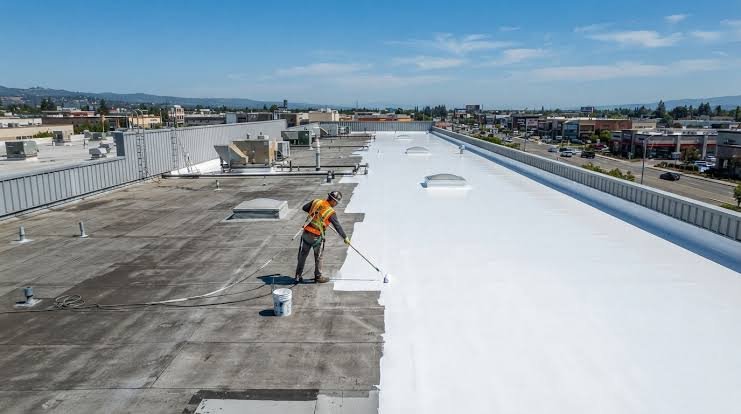
A commercial building is a major investment, and its long-term performance depends heavily on the condition of its structural components. Among these, the roof has one of the most demanding jobs. It is continuously exposed to sunlight, rain, wind, temperature changes, debris, and other environmental conditions. Over time, this exposure can cause deterioration that affects much more than the roof itself.
Commercial roofing repair can help property owners address developing problems before they spread to other parts of the building. When repairs are combined with routine inspections and preventive maintenance, an existing roofing system may remain functional for considerably longer.
Addressing Small Problems Before They Spread
Many serious roofing problems begin as relatively minor defects. A small puncture in a membrane, damaged flashing, loose material, or a deteriorating seam may initially seem insignificant. However, water can gradually enter through these vulnerable areas and affect insulation, ceilings, walls, and other building components.
Timely commercial roofing repair focuses on correcting these issues while they are still manageable. Taking action early can reduce the likelihood of widespread moisture damage and help preserve the overall integrity of the roofing system.
This approach can also make maintenance costs more predictable. Instead of waiting for a major failure that requires extensive emergency work, building owners can deal with individual problems as they are identified.
Protecting The Building From Water Intrusion
Water intrusion is one of the most significant concerns associated with a damaged commercial roof. Once moisture moves beneath the exterior roofing materials, identifying the full extent of the problem can become difficult.
Water may damage insulation, encourage mold growth, stain interior surfaces, or reach electrical and mechanical systems. Persistent moisture can also contribute to the deterioration of certain structural materials.
Professional roof repairs help restore vulnerable areas and limit opportunities for water to enter the building. Flashing around roof penetrations, drainage areas, seams, and edges deserves particular attention because these locations can become common sources of leaks.
Preserving The Existing Roofing System
Roof replacement is eventually necessary for every commercial property, but premature replacement may sometimes be avoided through consistent maintenance and appropriate repairs. The objective is to keep the existing system performing effectively for as much of its expected service life as reasonably possible.
The right repair procedure is determined by elements such as roofing material, system age, damage location, and overall roof condition. A repair that works for one type of commercial roof may not be appropriate for another.
Qualified roofing professionals can assess these factors and determine whether localized repairs are practical or whether more extensive work should be considered.
Supporting Energy Performance
The condition of a commercial roof can also influence a building’s energy performance. Damaged roofing materials and moisture-affected insulation may reduce the effectiveness of the building envelope.
When insulation becomes wet, its ability to resist heat transfer can be compromised. This can place additional demands on heating and cooling equipment as indoor temperatures become more difficult to regulate.
Repairing damaged sections and addressing moisture problems can help maintain the intended performance of the roof and insulation system. Although roofing repair alone cannot solve every energy efficiency issue, maintaining a sound building envelope is an important part of managing overall property performance.
Reducing Disruption To Business Operations
Unexpected roof problems can create significant disruption for businesses. Active leaks may require sections of a workplace, warehouse, retail space, or other facility to be temporarily closed while repairs are completed.
Leaks can also threaten inventory, equipment, documents, furniture, and technology. For businesses that depend on uninterrupted daily operations, even a relatively small roofing problem can create unnecessary complications.
Planned commercial roofing repair gives property managers greater control over maintenance schedules. Repairs can often be coordinated around operational requirements rather than being handled under emergency conditions.
Making Routine Inspections A Priority
Roof problems are not always visible from inside a commercial building. By the time water stains appear on a ceiling, moisture may already have traveled through multiple layers of the roofing assembly.
Routine inspections can identify signs of deterioration earlier. Roofing professionals may look for membrane damage, deteriorated flashing, blocked drainage points, ponding water, damaged sealants, loose materials, and other conditions that could affect performance.
Inspections can be particularly useful after severe weather. Strong winds, heavy rain, hail, and falling debris can create damage that may not immediately result in an obvious interior leak.
Creating A Long-Term Roofing Maintenance Strategy
Commercial roofing repair is most effective when it forms part of a broader maintenance strategy. Property owners and facility managers can maintain records of inspections, completed repairs, recurring problem areas, and the general condition of the roofing system.
These records can help identify patterns and support better decisions about future maintenance. They can also provide useful information when determining whether continued repairs remain practical or replacement is becoming the more appropriate investment.
Protecting The Building For The Future
Extending the service life of a commercial building requires consistent attention to the components that protect it from environmental exposure. The roof plays a central role in that protection.
By identifying damage early, completing appropriate commercial roofing repair, maintaining drainage systems, and scheduling regular inspections, property owners can reduce avoidable deterioration and protect the building beneath the roof. A proactive approach does more than address individual leaks. It supports the long-term reliability, functionality, and value of the entire commercial property.