
Proving Driver Negligence Following A Motorcycle Accident In Denver

Motorcycle Accident In Denver

Motorcycle riders may suffer severe injuries, costly medical care, missed wages, and months of uncertainty as a result of accidents. When another driver’s careless behavior causes a collision, an injured motorcyclist may have grounds to pursue compensation. However, receiving compensation generally requires more than showing that an accident happened. Evidence must connect the other driver’s actions to the crash and the resulting losses. For an injured rider, working with a motorcycle accident lawyer in Denver can help with gathering evidence, evaluating the circumstances surrounding the collision, and presenting a claim that clearly explains why another party should be held responsible. Understanding how negligence is established can also help riders recognize why seemingly small details from the accident scene may become important later. Understanding Negligence After A Motorcycle Crash In general, negligence is defined as failing to use reasonable care in the given situation. Drivers have responsibilities when sharing Denver streets with motorcycles, passenger vehicles, cyclists, pedestrians, and other road users. A negligence claim typically focuses on several connected questions. Did the driver have a responsibility to operate the vehicle safely? Did the driver’s behavior fall below the expected standard of care? Did that behavior contribute to the motorcycle crash? Finally, did the rider suffer measurable losses because of the collision? For example, a motorist may fail to check a blind spot before changing lanes and strike a nearby motorcycle. Evidence showing the unsafe lane change and its connection to the collision can become central to establishing negligence. Identifying The Driver’s Unsafe Behavior Determining exactly what the other driver did wrong is an important part of building a claim. Motorcycle collisions can occur because of many different driving behaviors. A driver may follow a motorcycle too closely, ignore a traffic signal, make an unsafe turn, become distracted by a phone, fail to yield, or change lanes without properly checking surrounding traffic. Speed can also become an important consideration, particularly when traffic conditions, visibility, or weather require motorists to slow down. The circumstances are rarely identical from one accident to another. Establishing negligence therefore requires examining what happened immediately before the collision rather than relying solely on the severity of the resulting injuries. Gathering Evidence From The Accident Scene Evidence collected shortly after a motorcycle accident can provide valuable information about how the collision occurred. Photographs can document vehicle positions, motorcycle damage, debris, skid marks, road conditions, traffic signs, and visible injuries. Witnesses can also provide an independent perspective. Someone who saw a vehicle suddenly enter the rider’s lane, run a red light, or make an unexpected turn may be able to provide information that supports the rider’s account. Police reports can contain additional details about the crash, including statements from those involved and observations made at the scene. Depending on the circumstances, nearby businesses, homes, traffic systems, or vehicles may also have video footage that captured the collision or events immediately preceding it. Using Medical Records To Connect Injuries To The Collision Proving that another driver acted negligently is only one part of an injury claim. The rider must also demonstrate the losses associated with the accident. Medical documentation can establish the nature and extent of injuries sustained in the crash. Emergency room records, diagnostic imaging, physician notes, surgical records, rehabilitation plans, and follow-up treatment can help create a documented timeline. Motorcycle crashes may result in fractures, road rash, spinal injuries, head trauma, soft tissue damage, and other conditions requiring ongoing treatment. Keeping medical appointments and maintaining accurate records can help demonstrate both the immediate and continuing effects of an injury. Examining Digital And Vehicle Evidence Modern accident investigations may extend beyond photographs and witness statements. Digital information can sometimes provide additional insight into a driver’s behavior. Phone records may become relevant when distracted driving is suspected. Vehicle data may provide information related to speed, braking, or other activity before impact. Dashcam recordings can also offer useful evidence when available. Obtaining certain records may require formal legal procedures, making timely investigation particularly important. Some electronic information may be overwritten or become unavailable if it is not preserved. Responding When Fault Is Disputed Liability is not always immediately accepted after a motorcycle accident. A driver or insurance company may argue that the rider was speeding, traveling in a blind spot, or otherwise contributed to the collision. This makes objective evidence especially valuable. Photographs, witness accounts, video recordings, physical damage, medical records, and accident reconstruction findings can help establish a clearer picture of what actually happened. Colorado’s comparative negligence rules can also affect recovery when more than one person shares responsibility. The percentage of fault assigned to each party can therefore have a significant financial impact on an injury claim. Documenting The Full Financial Impact A serious motorcycle collision can create expenses that continue long after the damaged motorcycle has been repaired or replaced. Medical bills are only one potential category of loss. An injured rider may miss work, experience reduced earning capacity, require rehabilitation, or need assistance with everyday activities. Severe injuries can also affect mobility, independence, and quality of life. Keeping organized records of medical expenses, employment losses, repair costs, treatment-related travel, and other accident-related expenses can help establish the broader financial consequences of the collision. Building A Claim Around Clear Evidence Proving driver negligence after a Denver motorcycle accident depends on creating a logical connection between unsafe conduct, the collision, the rider’s injuries, and resulting losses. Strong claims are typically built through careful documentation rather than assumptions about who must have been responsible. Preserving evidence early, obtaining appropriate medical care, documenting financial losses, and carefully reviewing the circumstances of the crash can help injured riders protect their interests. When responsibility is disputed, or injuries are substantial, a thorough investigation can be particularly important in establishing what happened and pursuing appropriate compensation under Colorado law. Calebwww.kanyasumangalayojana.com

Living With Chronic Pain? Why Specialized Pain Management May Help

Pain Management

Chronic pain can influence nearly every part of daily life. Activities that once felt simple, such as working, exercising, sleeping comfortably, driving, or spending time with family, may become increasingly difficult when discomfort persists. Unlike temporary pain that occurs after a minor injury and gradually improves, chronic pain may continue for an extended period and require a more comprehensive approach. For people dealing with persistent discomfort, specialized pain management can provide a structured way to understand symptoms, identify contributing factors, and explore appropriate treatment options. Rather than concentrating only on short-term relief, pain management specialists may consider how pain affects movement, function, sleep, and overall quality of life. Chronic Pain Can Be Complex Pain is not always connected to one easily identifiable problem. Some people experience discomfort following an injury, while others develop symptoms related to changes involving the spine, joints, muscles, or nerves. Pain may also change over time, making it difficult to understand why certain activities trigger symptoms while others do not. This complexity is one reason specialized evaluation can be valuable. A pain management professional can review symptoms, medical history, previous treatments, and physical limitations to develop a clearer picture of what may be contributing to ongoing discomfort. People searching for pain management near me are often looking for more than temporary symptom control. They may want a provider who can investigate the possible source of their pain and develop a treatment strategy based on their individual circumstances. A More Personalized Approach To Care Chronic pain does not affect everyone in the same way. Two people with similar symptoms may have completely different levels of mobility, daily responsibilities, medical histories, and treatment goals. As a result, there is rarely a single approach that is appropriate for every patient. Specialized pain management focuses on creating an individualized care plan. The process may begin with a detailed evaluation that considers where the pain occurs, how long it has been present, what makes it better or worse, and how it interferes with everyday activities. Treatment recommendations can then be adjusted according to the findings. Depending on the individual, a care plan may involve conservative therapies, rehabilitation, medication management, targeted procedures, or a combination of approaches. Looking Beyond Temporary Relief When pain interferes with everyday life, it can be tempting to focus exclusively on immediate relief. However, reducing discomfort temporarily does not necessarily address the factors contributing to persistent symptoms. Specialized pain management can take a broader perspective. The objective may include improving mobility, supporting physical function, reducing pain levels, and helping patients participate more comfortably in everyday activities. For someone repeatedly searching online for pain management near me, finding a specialist who takes time to evaluate the underlying problem can be an important consideration. A comprehensive approach allows treatment decisions to be based on the patient’s symptoms and needs rather than relying solely on generalized solutions. Access To Different Treatment Options Another potential advantage of specialized care is access to multiple treatment approaches. Chronic pain can involve different structures and mechanisms, which means treatment may need to evolve depending on how a patient responds. Conservative approaches may play an important role in some care plans. Physical therapy and guided exercise, for instance, may be used to improve mobility, strength, flexibility, and function. Other patients may require medical management or targeted interventions based on their diagnosis. Having different options available can make it easier for specialists to modify a treatment plan when necessary. Instead of viewing treatment as one isolated procedure, pain management can become an ongoing process that responds to changes in symptoms and functional goals. Supporting Everyday Function One of the most aggravating parts of chronic pain is how it progressively restricts daily activities. People may begin avoiding movements because they expect them to hurt. Over time, reduced activity can affect strength, flexibility, confidence, and independence. Specialized pain management may therefore focus on function as well as discomfort. Treatment goals can include helping someone walk more comfortably, return to appropriate exercise, complete work responsibilities, sleep better, or participate in hobbies and social activities. Progress can look different for every patient. For some, meaningful improvement may involve reduced pain. For others, it may mean being able to perform important activities with fewer limitations. Knowing When To Seek Specialized Care Occasional aches do not always require specialist treatment. However, persistent pain that continues despite basic measures, repeatedly returns, affects mobility, disrupts sleep, or interferes with work and daily activities may warrant further evaluation. Searching for pain management near me can be a starting point, but proximity should not be the only consideration. Patients can also look at a provider’s approach to diagnosis, available treatments, experience with different pain conditions, and commitment to individualized care. Moving Toward Better Pain Management Living with chronic pain can be challenging, particularly when symptoms begin controlling everyday decisions. Specialized pain management offers an opportunity to approach persistent discomfort more systematically by examining possible causes, considering different treatment options, and establishing realistic functional goals. The right approach depends on the individual and the nature of the pain. With careful evaluation and an appropriately tailored plan, specialized care may help patients manage symptoms more effectively while working toward greater mobility, function, and participation in daily life. Calebwww.kanyasumangalayojana.com

Extending The Service Life Of A Building With Commercial Roofing Repair

Commercial Roofing Repair

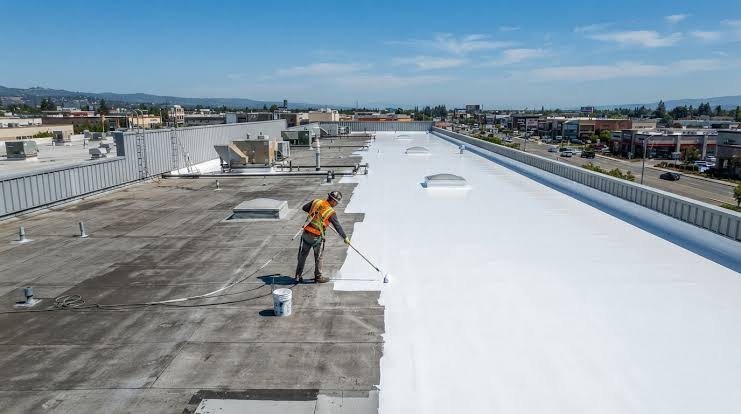
A commercial building is a major investment, and its long-term performance depends heavily on the condition of its structural components. Among these, the roof has one of the most demanding jobs. It is continuously exposed to sunlight, rain, wind, temperature changes, debris, and other environmental conditions. Over time, this exposure can cause deterioration that affects much more than the roof itself. Commercial roofing repair can help property owners address developing problems before they spread to other parts of the building. When repairs are combined with routine inspections and preventive maintenance, an existing roofing system may remain functional for considerably longer. Addressing Small Problems Before They Spread Many serious roofing problems begin as relatively minor defects. A small puncture in a membrane, damaged flashing, loose material, or a deteriorating seam may initially seem insignificant. However, water can gradually enter through these vulnerable areas and affect insulation, ceilings, walls, and other building components. Timely commercial roofing repair focuses on correcting these issues while they are still manageable. Taking action early can reduce the likelihood of widespread moisture damage and help preserve the overall integrity of the roofing system. This approach can also make maintenance costs more predictable. Instead of waiting for a major failure that requires extensive emergency work, building owners can deal with individual problems as they are identified. Protecting The Building From Water Intrusion Water intrusion is one of the most significant concerns associated with a damaged commercial roof. Once moisture moves beneath the exterior roofing materials, identifying the full extent of the problem can become difficult. Water may damage insulation, encourage mold growth, stain interior surfaces, or reach electrical and mechanical systems. Persistent moisture can also contribute to the deterioration of certain structural materials. Professional roof repairs help restore vulnerable areas and limit opportunities for water to enter the building. Flashing around roof penetrations, drainage areas, seams, and edges deserves particular attention because these locations can become common sources of leaks. Preserving The Existing Roofing System Roof replacement is eventually necessary for every commercial property, but premature replacement may sometimes be avoided through consistent maintenance and appropriate repairs. The objective is to keep the existing system performing effectively for as much of its expected service life as reasonably possible. The right repair procedure is determined by elements such as roofing material, system age, damage location, and overall roof condition. A repair that works for one type of commercial roof may not be appropriate for another. Qualified roofing professionals can assess these factors and determine whether localized repairs are practical or whether more extensive work should be considered. Supporting Energy Performance The condition of a commercial roof can also influence a building’s energy performance. Damaged roofing materials and moisture-affected insulation may reduce the effectiveness of the building envelope. When insulation becomes wet, its ability to resist heat transfer can be compromised. This can place additional demands on heating and cooling equipment as indoor temperatures become more difficult to regulate. Repairing damaged sections and addressing moisture problems can help maintain the intended performance of the roof and insulation system. Although roofing repair alone cannot solve every energy efficiency issue, maintaining a sound building envelope is an important part of managing overall property performance. Reducing Disruption To Business Operations Unexpected roof problems can create significant disruption for businesses. Active leaks may require sections of a workplace, warehouse, retail space, or other facility to be temporarily closed while repairs are completed. Leaks can also threaten inventory, equipment, documents, furniture, and technology. For businesses that depend on uninterrupted daily operations, even a relatively small roofing problem can create unnecessary complications. Planned commercial roofing repair gives property managers greater control over maintenance schedules. Repairs can often be coordinated around operational requirements rather than being handled under emergency conditions. Making Routine Inspections A Priority Roof problems are not always visible from inside a commercial building. By the time water stains appear on a ceiling, moisture may already have traveled through multiple layers of the roofing assembly. Routine inspections can identify signs of deterioration earlier. Roofing professionals may look for membrane damage, deteriorated flashing, blocked drainage points, ponding water, damaged sealants, loose materials, and other conditions that could affect performance. Inspections can be particularly useful after severe weather. Strong winds, heavy rain, hail, and falling debris can create damage that may not immediately result in an obvious interior leak. Creating A Long-Term Roofing Maintenance Strategy Commercial roofing repair is most effective when it forms part of a broader maintenance strategy. Property owners and facility managers can maintain records of inspections, completed repairs, recurring problem areas, and the general condition of the roofing system. These records can help identify patterns and support better decisions about future maintenance. They can also provide useful information when determining whether continued repairs remain practical or replacement is becoming the more appropriate investment. Protecting The Building For The Future Extending the service life of a commercial building requires consistent attention to the components that protect it from environmental exposure. The roof plays a central role in that protection. By identifying damage early, completing appropriate commercial roofing repair, maintaining drainage systems, and scheduling regular inspections, property owners can reduce avoidable deterioration and protect the building beneath the roof. A proactive approach does more than address individual leaks. It supports the long-term reliability, functionality, and value of the entire commercial property. Calebwww.kanyasumangalayojana.com